Before exploring specific herbs that support the urinary tract, we must first look at the complex biological system they serve to understand their functions.
 The urinary, or renal, system is a complex drainage and filtration network comprised of the kidneys, ureters, bladder, and urethra. The kidneys, two bean-shaped organs located just below the rib cage, act as the primary filtration plants, cleansing blood to remove waste and excess water in the form of urine. This fluid travels through the ureters, which are thin, muscular tubes that connect the kidneys to the bladder. The bladder is a hollow, expandable organ that sits in the pelvic floor, serving as a storage tank. In men, the urinary tract includes the prostate gland, a walnut-sized structure located just beneath the bladder that encircles the upper part of the urethra.The urethra is the passage through which urine is voided from the body. The male urethra is significantly longer, typically measuring 7–8 inches, extending from the bladder through the prostate and penis. The female urethra is much shorter, usually 1.5 inches long, extending from the bladder to the external opening in the vulva.
The function of each part is vital to maintaining the body’s internal balance, called homeostasis. The kidneys regulate blood pressure, mineral levels, and the production of red blood cells while filtering out metabolic toxins. The ureters use wave-like muscular movements to ensure urine flows toward the bladder and does not back up into the kidneys. The bladder is designed to store urine until it reaches a certain volume, at which point nerves signal the brain that it is time to empty. In men, the prostate contributes fluid to the reproductive system, but its location means that any swelling or enlargement can squeeze the urethra and block the flow of urine. The urethra serves as the final exit path, and its lining is the first line of defense against outside germs. When this system is compromised, the results can be painful and persistent.
The most common threat to this system is Escherichia coli, or E. coli, a gram-negative bacterium responsible for roughly 80 to 90 percent of urinary tract infections. Because E. coli is gram-negative, it possesses a unique, tough outer membrane that acts as a physical barrier, making it more resilient against many standard antimicrobial treatments than gram-positive bacteria. This resilient structure is why strategic herbal support is necessary to dislodge and neutralize the threat. When the urinary tract is chronically inflamed or the prostate is enlarged, it leads to interstitial irritation—a state of constant, nagging discomfort that requires deep, soothing moisture to resolve.
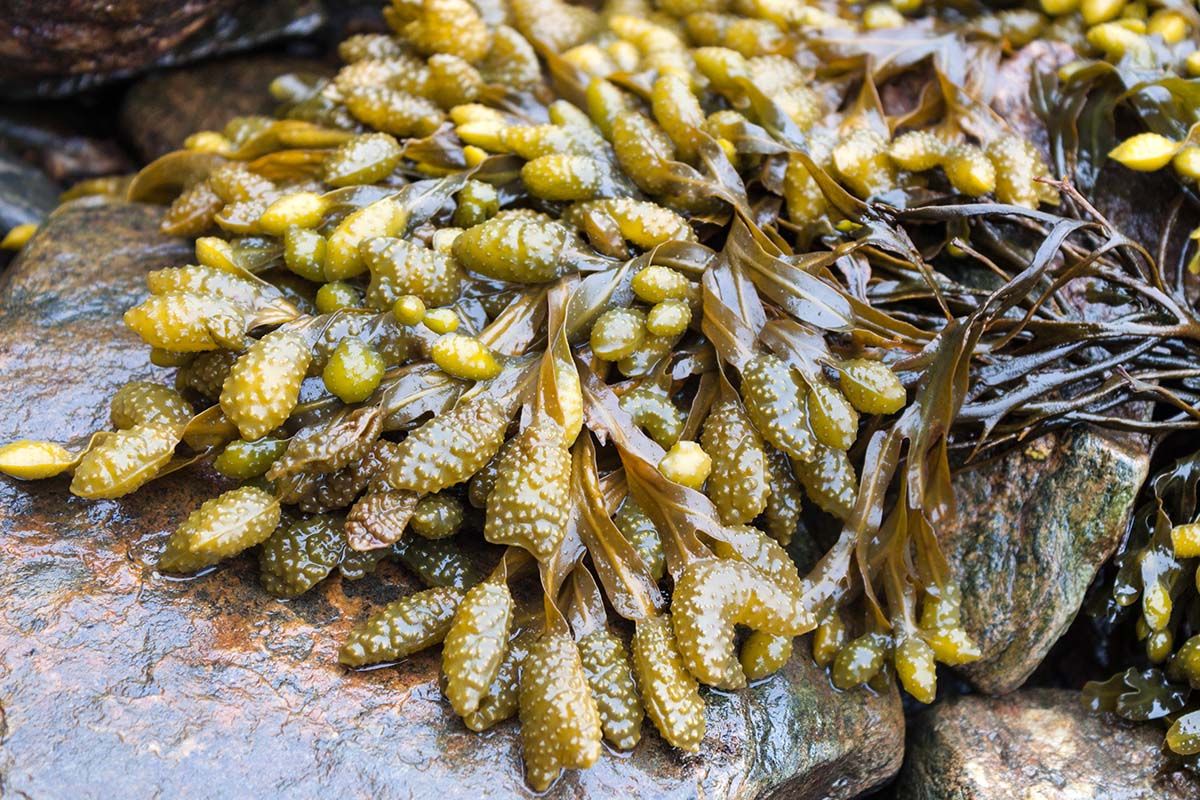
Bladderwrack, Fucus gardneri, is uniquely equipped to address this specific interstitial irritation. A seaweed, it clings to coastal rocks in the intertidal zone, features small air bladders filled with a thick, slippery mucilage. This mucilage acts as a biological moisturizer for the internal membranes of the urinary tract. It provides a cooling, protective layer that coats the irritated walls of the bladder and the prostatic urethra, effectively quenching the heat of inflammation. This soothing action is particularly helpful for those dealing with the chronic friction and sensitivity caused by an enlarged prostate or the aftermath of a stubborn infection.
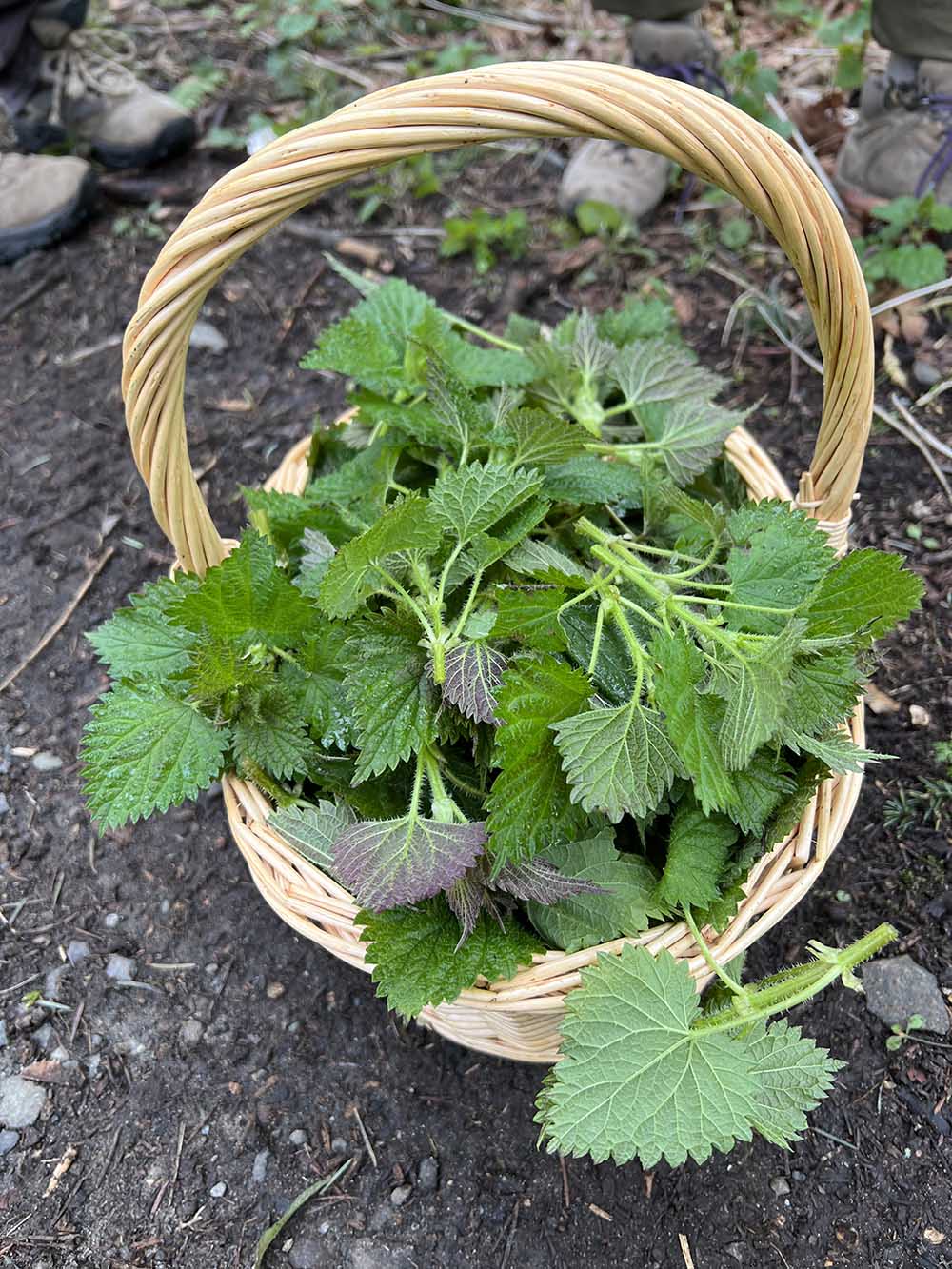 Stinging nettle, Urtica dioica, complements this soothing action by supporting the body to build the tissues of the urinary system. It gives the mitochondria in every cell what they need to make fuel to keep the body working properly. Nettle is packed with the nerve-feeding and soothing trifecta of calcium, magnesium, and potassium, which are essential for the smooth muscle function of the bladder and ureters. Iron and immune-boosting zinc are also plentiful. Due to the high iron content, some do experience constipation after consuming large amounts, but this same iron raises hematocrit levels, providing the oxygen necessary for the mitochondria to create ATP – the energy of the body. When the urinary system is stressed or the body is anxious, nettles provide the deep nutrition that ensures the kidneys have the strength to filter effectively.
Nettles are exceptional at mitigating inflammation throughout the body, including the delicate linings. This internal support is driven by a unique profile of antioxidants and secondary metabolites:
- Antihistaminic Antioxidants: Nettle contains chlorogenic and ascorbic acids, which help calm the allergic and inflammatory responses of the mucosal linings.
- Asparagine: A non-essential amino acid and potent diuretic involved in the metabolic control of cell functions in nerve and brain tissue. It plays an important role in the biosynthesis of glycoproteins and other proteins. As a metabolic precursor to aspartate, asparagine acts as a nontoxic carrier of residual ammonia to be eliminated from the body through the urinary tract. The body’s response to taking in asparagine is to pee; smelling that specific aroma, reminiscent of a pee after eating asparagus, shows it is doing its job. It is soluble in water and acids, but negligible in alcohol.
- Lactones (Aesculetin and Scopoletin): These specific compounds contribute to the plant’s anti-inflammatory effect. Because they are best extracted fresh in alcohol or vinegar rather than boiling water, a fresh nettle tincture or pesto is often more effective than dried tea for immediate relief of systemic inflammation.
- Quercetin: This antioxidant acts as a cheerleader, inspiring other antioxidants to work to the fullness of their abilities. It aids the overall anti-inflammatory response specifically within the bladder and urethra.
A strategic blend of herbs designed to address urinary tract issues from multiple angles. Rather than relying on a single action, this formula works by flushing the system, physically scrubbing the internal linings, neutralizing bacteria, and soothing the raw, irritated tissues that result from infection or chronic inflammation.
The goal of this blend is to move fluids through the body rapidly while providing the specific nutrients needed to repair the urinary tract’s delicate environment. By starting this protocol at the very first sign of discomfort, you can often clear the system before bacteria have a chance to migrate further up into the ureters and kidneys.
Note: This formula may be made with dried plants. If you wish to utilize fresh nettles for the constituents that mitigate inflammation, consider using both tea and fresh pesto, tincture or infused vinegar as adjuncts during administration.
 Nettles, Urtica dioica – 2 parts: Acts as the primary diuretic and nutrient-rich base. It increases urine volume to flush the infection and provides the minerals necessary for tissue repair.
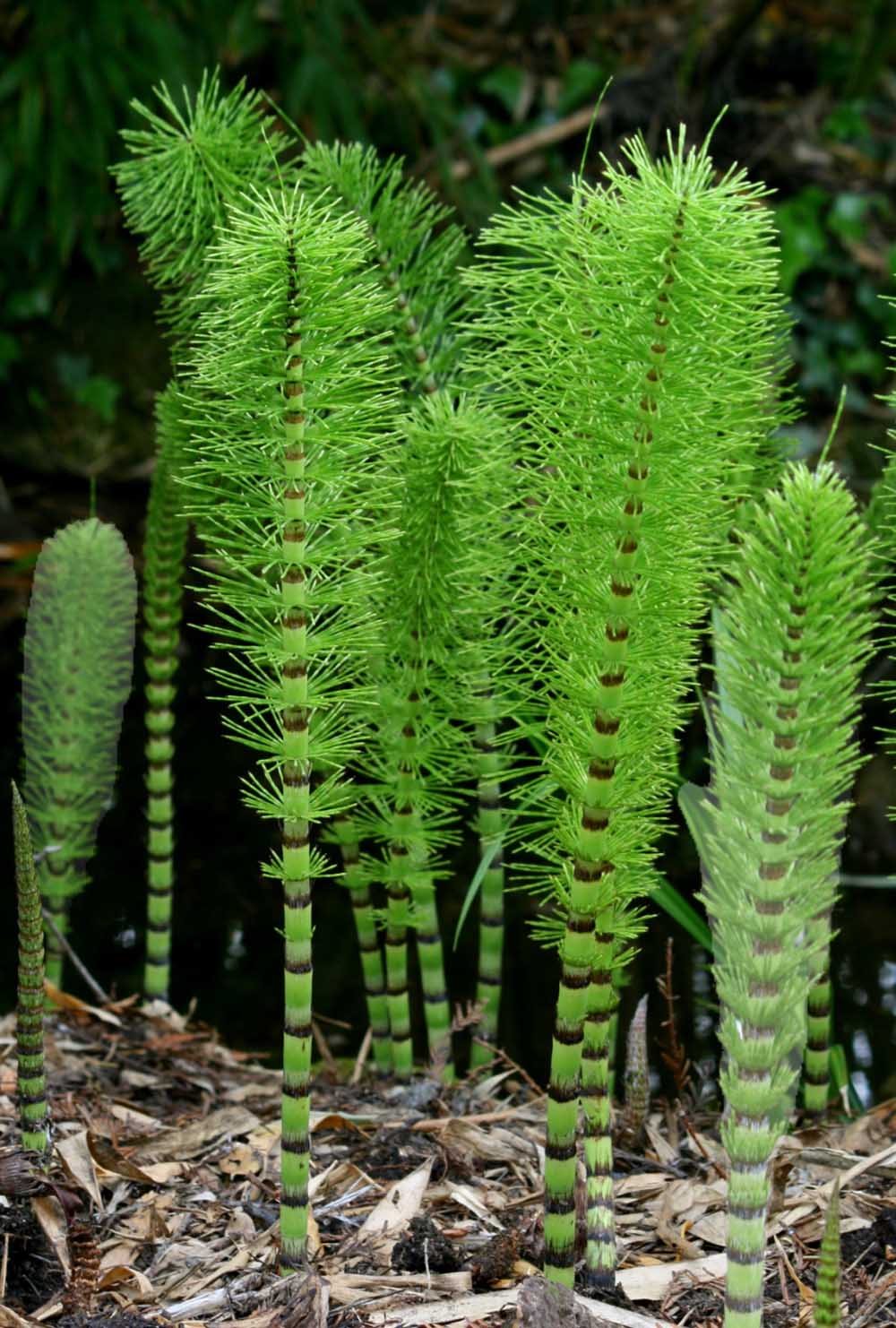
- Horsetail, Equisetum arvense – 1 part: Utilized for its high silica content. The infertile bottle brush- looking stalks act mechanically to dislodge bacteria clinging to the mucosal walls of the urinary tract, making them easier to flush out.
- Oregon Grape, Mahonia spp. or Juniper Berries, Juniperus communis – 1/2 part: These are the antimicrobials. Oregon Grape contains berberine, which directly kills bacteria, while deeply purple Juniper berries provide volatile oils that disinfect the urinary tract. Choose one; there is no need to use both.
- Uva Ursi, Arctostaphylos uva ursi or Madrona, Arbutus menziesii – 1/2 part: Contains arbutin, which metabolizes into hydroquinone in the urine—a powerful antimicrobial most active in alkaline pH. Note: These are high in tannins and should not be used for more than 2-3 days to avoid kidney stress.
- Marshmallow, Althea officinalis – 1/4 part: A cooling demulcent that provides mucilage to soothe the raw, irritated walls of the urinary tract and ureters.
- Bladderwrack, Fucus gardneri – 1/4 part: This seaweed provides a specific, slippery mucilage that is especially effective for soothing interstitial irritation and supporting those healing from prostate-related inflammation.