Adaptogens are herbs that help the body adapt to any stressor—physical, emotional, or environmental. Rather than stimulating or sedating, they normalize function, helping the adrenals modulate cortisol and maintain equilibrium.
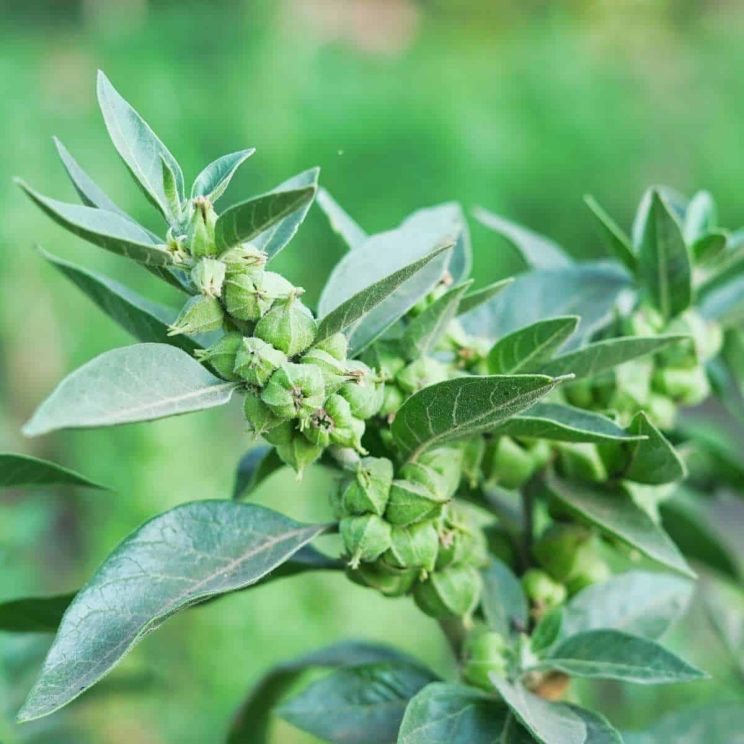 Ashwagandha (Withania somnifera)
Revered in Ayurvedic medicine, Ashwagandha brings a deep sense of calm and stability. Taken regularly, it balances the body’s stress response without overstimulation, making it a powerful support for anxiety, fatigue, and insomnia.
Reishi (Ganoderma spp.)
Known in Traditional Chinese Medicine as The King of Mushrooms, Reishi fosters calm and resilience. It supports sleep, fortifies immunity, and helps regulate the mind-body connection. It is often used to deepen meditation and encourage healthy emotional boundaries.
Rhodiola (Rhodiola rosea)
Rhodiola modulates cortisol, helping the body respond more efficiently to ongoing stress. It improves focus, stamina, and mood—ideal for those facing long-term pressure or burnout.
Rosemary (Salvia rosmarinus)
The scent of rosemary alone has been shown to reduce cortisol levels and ease tension. A simple inhale can lower stress chemistry, offering the adrenals a chance to rest and repair.
Siberian Ginseng (Eleutherococcus senticosus)
A foundational adaptogen that strengthens stamina and mental focus, Siberian Ginseng helps the body rebound from fatigue and regulates immune function through its polysaccharides and anti-inflammatory compounds.
Devil’s Club (Oplopanax horridum)
Native to the Pacific Northwest, Devil’s Club helps moderate stress in the hypothalamus and pituitary. It also supports healthy metabolism and blood sugar regulation, often affected by long-term stress. Its spiny stems and leaves symbolize the importance of maintaining personal boundaries.
While adaptogens build long-term resilience, nervines offer immediate comfort and calm. They help the body release tension and bring ease to an overworked mind and heart.
Linden (Tilia americana)
Linden flowers calm both heart and mind. They relax tight muscles, soothe palpitations, and ease the stomach tension that often accompanies anxiety.
 Milky Oats (Avena sativa)
Oats are among the most restorative herbs for the nervous system. Over time, they help rebuild the protective myelin sheath that insulates nerves, enhancing our capacity to handle daily stress.
Violet (Viola spp.)
This small but mighty plant softens emotional rigidity and supports those moving through grief
or heartbreak. Violet’s mucilage and mild pain-relieving compounds comfort both body and spirit.
Passionflower (Passiflora incarnata)
A fast-acting nervine for racing thoughts and sleeplessness, Passionflower helps quiet mental chatter and encourages relaxation without dulling the senses.
Valerian (Valeriana officinalis, V. sitchensis)
Used for centuries to promote rest and relieve tension, Valerian relaxes muscles and calms the nervous system. Because it affects everyone differently, it’s best to test it during the day before bedtime use.
Rose (Rosa spp.)
Rose medicine opens the heart. It offers comfort in grief, supports emotional release, and restores trust and self-love. Its fragrance alone can lift the spirit and soften the nervous system.
Lemon Balm (Melissa officinalis)
Cheerful and bright, Lemon Balm raises the mood and steadies the thyroid when taken regularly. It can reduce anxiety-related digestive upset and even prevent stress-induced viral flare-ups.
Tulsi (Ocimum tenuiflorum)
A sacred plant in Ayurvedic medicine, Tulsi bridges body and spirit. It helps calm the mind, support clear breathing, and improve focus. Its adaptogenic qualities make it ideal for those feeling scattered, anxious, or overstimulated.
Herbal anxiolytics target the sensations of anxiety directly, reducing the intensity of nervousness, restlessness, or panic.
 Lavender (Lavandula spp.)
Long prized for its scent and versatility, Lavender calms the mind, promotes deep sleep, and brings tranquility to overactive thoughts.
Hawthorn (Crataegus spp.)
A tonic for both the emotional and physical heart, Hawthorn steadies heart rhythms and alleviates the tight chest sensations common during anxious moments. It encourages faith that “everything’s going to be okay.”
Chamomile (Matricaria chamomilla, Chamaemelum nobile)
Gentle yet effective, Chamomile reduces anxiety, calms the stomach, and lessens inflammation triggered by stress. Its terpenes, including chamazulene and bisabolol, soothe the nerves and skin alike.
Motherwort (Leonurus cardiaca)
Known as the “lion-hearted” herb, Motherwort helps “park the panic.” It calms the limbic system, opens the heart, and helps restore confidence and courage in overwhelming times.
Mugwort (Artemisia vulgaris, A. suksdorfii, A. argyi)
Mugwort aids emotional reset. It helps release old patterns, clear emotional debris, and invite renewal. Used mindfully, it supports restful sleep and dream clarity.
Modern science affirms what herbalists have known for centuries: the gut and brain are deeply intertwined. Herbs that heal digestion can stabilize mood and improve focus.
 Oregon Grape (Mahonia aquifolium, M. repens, M. nervosa)
Rich in alkaloids like berberine, Oregon Grape strengthens the gut lining and supports liver detoxification. A healthy digestive tract enhances immune function, reduces inflammation, and calms anxiety.
Ginger (Zingiber officinale)
Ginger improves digestion, increases circulation, and lowers inflammation. It also supports the gut-brain connection by creating a balanced internal environment that benefits mood and clarity.
Turmeric (Curcuma longa)
Turmeric’s curcumin compounds act as potent anti-inflammatories and antioxidants. They modulate serotonin and dopamine, improve HPA axis function, and enhance the gut-brain axis—especially when combined with black pepper for better absorption.
Lion’s Mane (Hericium erinaceus)
This remarkable mushroom stimulates Nerve Growth Factor (NGF), supporting brain regeneration and cognitive clarity. It also promotes gut microbiome health, improving both digestion and emotional stability.