To understand arthritis, let’s take a look at the structure of a joint. A healthy joint is a masterpiece of engineering. Where two bones meet, their ends are capped with hyaline cartilage, a smooth, slippery tissue that allows for nearly frictionless movement. Surrounding this is the joint capsule, lined with the synovium. This lining secretes synovial fluid, which acts as the joint’s natural lubricant, nourishing the cartilage and keeping the joint moving smoothly.
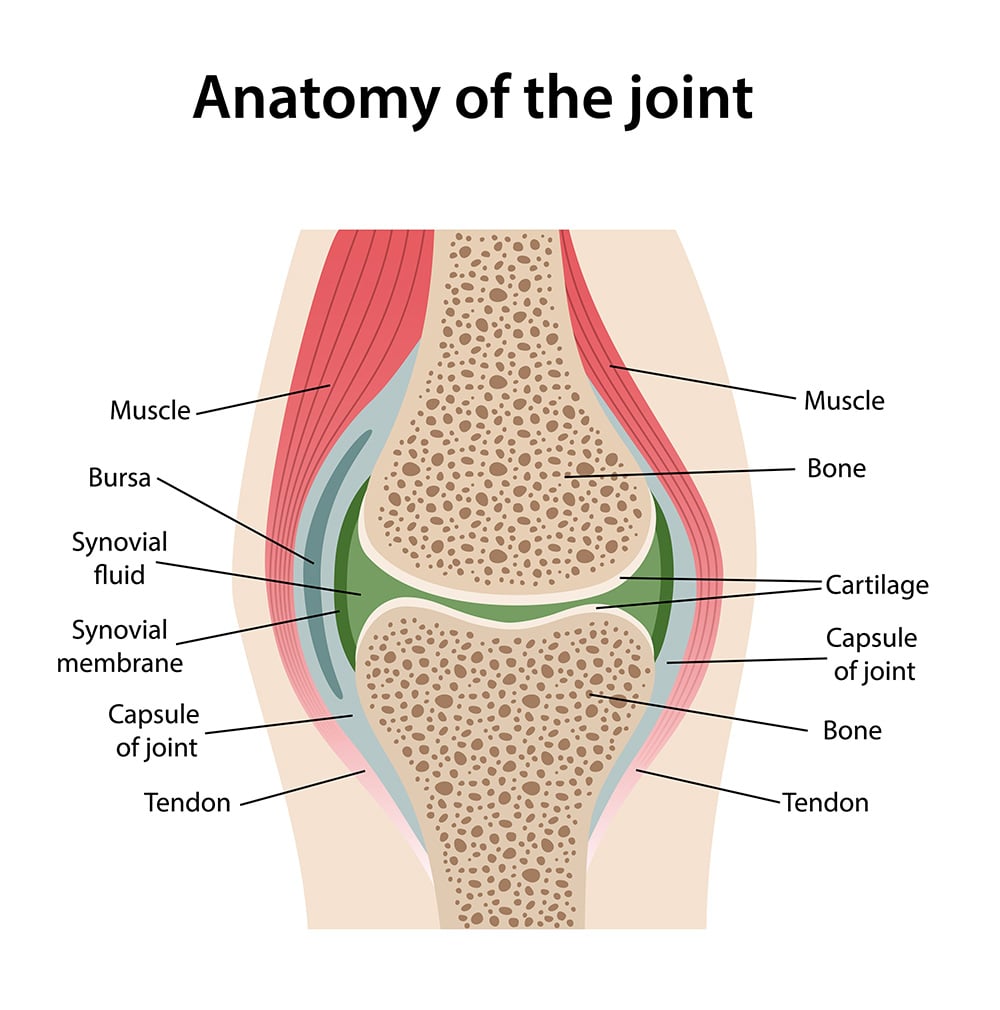 In osteoarthritis, the hyaline cartilage begins to fray and thin. Think of it like the tread on a tire wearing down until the vehicle is driving on the rims. As the cartilage disappears, the bone underneath tries to compensate by thickening and creating bone spurs, or osteophytes. This bone-on-bone contact causes mechanical pain, but it also triggers a massive inflammatory response.
In rheumatoid arthritis, the process starts with the synovium itself. The immune system mistakenly identifies the joint lining as a foreign invader and attacks it. This causes the synovium to thicken and become inflamed, eventually forming a tissue called pannus that releases enzymes that eat away at the cartilage and bone.
Regardless of the type, the immune response releases prostaglandins, cytokines, and histamines into the joint space. These chemicals lower the threshold of nociceptors, which are the pain-sensing nerves, making them hyper-sensitized. This process, known as peripheral sensitization, means that movements that once felt natural now may cause intense pain. Effective management requires both protecting the joint structure and quieting these overactive pain signals.
I created this formula decades ago and it was one of my best selling products at farmers markets for 27 years. This formula can be made into an oil or liniment. The salicylates in willow and cottonwood buds are lipophilic, tending to combine with or dissolve in lipids or fats. This makes them a perfect candidate for medicinal oils. The salicylates are also water soluble, so they will tincture well.
To make an infused oil: Simmer the herbs in organic olive oil or your oil of choice in a slow cooker on low with the lid off for 2 days, then strain.

The Formula (Equal Parts):
Willow bark and leaves: 3 parts bark to 1 part leaves for anti-inflammatory and analgesic pain relief.
Devil’s Club bark: A mild central nervous system depressant that helps the body relax into healing. It contains nerolidol, which is antinociceptive—inhibiting the detection of a painful or injurious stimulus by sensory neurons.
Cottonwood buds: A cousin to willow with a beautiful aroma, cottonwood contains the same salicylates as willow. Either or both can be used.
Valerian root: A potent muscle relaxer, relieves tight muscles. When the muscles are relaxed, the immune system can resolve the inflammation and allow for nutrients to come in to the affected area and the lymph to take out metabolites.
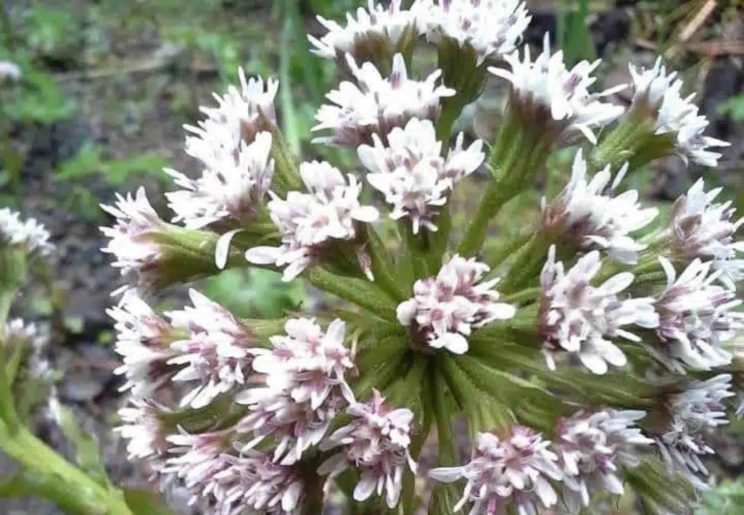
Coltsfoot: Use the rhizomes, which are underground stems and easily harvested. This can be either eastern coltsfoot (Tussilago farfara) or western coltsfoot (Petasites frigidus var. palmatus). Both varieties work to stop pain transmission along the nerve fibers by inhibiting calcium ion channels. By blocking these channels, the herb essentially prevents the “spark” required for the nerve to fire a pain signal to the brain.
The following are herbs may also be utilized for pain relief. Each have their specific actions to consider. If using essential oils, utilize a carrier oil at 5% essential oils to carrier oil to create a liniment that is effective, yet not too strong and potentially damaging to the skin. 45 drops of essential oil to 1 ounce of carrier oil is a 5% dilution.
 Turmeric: Contains curcumin, which is a powerful anti-inflammatory. Adding a dash of black pepper helps with activation.
Pink Pepper and Sweet Marjoram: A combination of pink pepper and sweet marjoram essential oils may bring blood to the surface and aid in relief of pain and inflammation.
Peppermint and Capsicum: These are counter-irritants. They mask the pain by giving the body a different sensation to focus on. Use sparingly and keep away from mucus membranes.
Ginger: Contains gingerol, which has similar warming and pain-relieving actions to capsicum.
 Lavender and St. John’s Wort: These soothe the nerves. Linalool in lavender and the hypericin in the fresh flower buds of St. John’s Wort help relieve the pain of nerve damage.
Arnica: Best used as a fresh tincture or ointment externally to assist with the shock of a traumatic injury or bruise.
Frankincense: A powerful anti-inflammatory. Tincture the resin in 151-proof alcohol or use the essential oil.
Rosemary: A mild antispasmodic and analgesic that helps move stagnant blood.
CBD: Cannabinoids bind to receptors on the brain and nerve cells to slow pain impulses.
 While many plants heal, some common garden vegetables can fuel the fire of arthritis for sensitive people. This group is known as nightshades (the Solanaceae family). These plants contain alkaloids like solanine and anatabine, which can trigger joint stiffness and pain flares in those with existing inflammatory conditions.
- Potatoes: All potatoes, including white, russet, red, and yellow varieties, contain solanine. Sweet potatoes and yams are not nightshades; sweet potatoes belong to the Convolvulaceae (morning glory) family, while true yams are in the Dioscoreaceae family. These are generally safe anti-inflammatory alternatives.
- Eggplant: Contains alkaloids that can be highly irritating to sensitive joints.
- Tomatoes: Can trigger an exaggerated immune response in some people.
- Peppers: All varieties, including bell peppers and chili peppers like paprika and cayenne.
- Tobacco and Ashwagandha: Most people are not aware that tobacco and ashwagandha are in the nightshade family. While ashwagandha is an herb that is often used to reduce anxiety, it may cause issues for those with arthritis.
The Anti-Inflammatory Diet
What is eaten can dictate the level of inflammation in the joints. Focus on an anti-inflammatory diet and utilize turmeric, which must be paired with black pepper to activate its benefits. For effective pain management, aim for 500 to 2250 mg of turmeric per day.
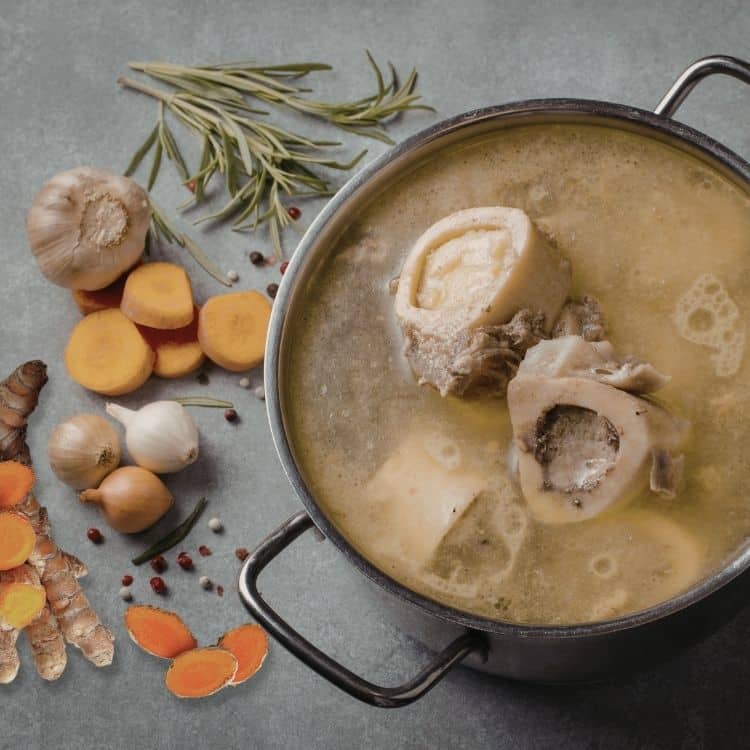
Using bone broth in recipes is a superior way to get collagen and minerals directly into the system. Glucosamine and chondroitin supplements don’t always reach the specific tissues where they are needed most; high-quality bone broth provides the body with the actual building blocks of cartilage in a form that is much easier to absorb.
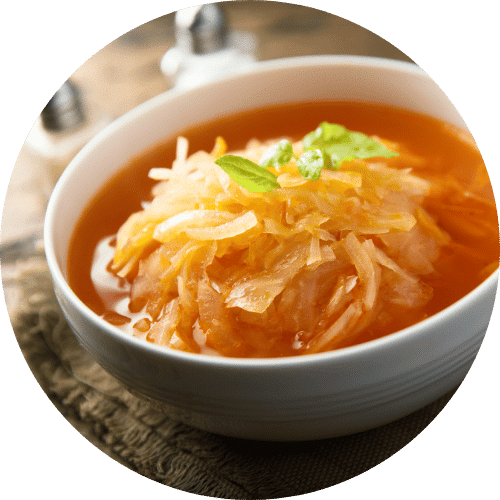
This soup focuses on anti-inflammatory powerhouses like ginger, garlic, and cruciferous vegetables while avoiding the inflammatory triggers of the nightshade family.
Golden Relief Cabbage Soup

Ingredients
- 2 tablespoons extra virgin olive oil
- 1 medium yellow onion, chopped
- 3 cloves garlic, minced
- 1 medium head of green cabbage, cored and chopped
- 2 stalks celery, chopped
- 2 carrots, sliced into rounds
- 1-inch piece fresh ginger, peeled and finely grated
- 1/2 teaspoon ground turmeric (or 1 tbsp fresh grated)
- 1/2 teaspoon black pepper (essential for turmeric activation)
- 8-10 cups bone broth
- Additions: Cauliflower or kale (optional); cooked chicken or beans for protein.
Instructions
- Heat olive oil in a large pot. Sauté the onion and garlic until fragrant.
- Add the cabbage, celery, carrots, and any optional cauliflower or kale. Sauté for 5–7 minutes until they begin to soften.
- Stir in the ginger, turmeric, and black pepper. Toss to coat the vegetables well.
- Pour in the bone broth and bring to a simmer.
- Add the cooked chicken or beans if using.
- Simmer for 20–25 minutes or until the vegetables are perfectly tender.
- Turn off the heat and stir in the parsley, lemon zest, and lemon juice.