Integration & Daily Practice

By

Suzanne “Queen Bee” Tabert 🐝

 | 

No Responses

A Quest for Calm and Emotional Well-Being, Part 4

Welcome to the final part of our journey toward emotional resilience and lasting calm. Over the past three sessions, we’ve explored how stress affects the body, how herbs support the nervous system, and how lifestyle shifts create healing from within. Now, it’s time to bring it all together. This final piece focuses on integrating these tools into daily life so you can transform knowledge into consistent, sustainable practice.

The Goal: Lasting Transformation

Understanding stress and herbs is one thing—living that knowledge is another. Healing becomes real when it moves from theory to habit. This session is about applying what you’ve learned day by day, moment by moment. As Fanny Flagg said, “Don’t give up before the miracle happens.”

Building a routine that supports your nervous system doesn’t mean perfection; it means commitment. Healing happens in layers, and every small, consistent act of care adds up to profound change.

Building Your Personal Resilience Toolkit

By now, you’ve gathered a wide array of practices—herbal, physical, and emotional. Think of them as tools in your personal resilience kit, available whenever life feels overwhelming.

Your toolkit might include:

  • Herbal allies like nervines and adaptogens for stress support.
  • Lifestyle habits such as breathwork, boundaries, and quality sleep.
  • Mindset shifts that replace judgment with curiosity and compassion.


This toolkit isn’t static. It evolves as you grow and learn what works best for your body and rhythm.
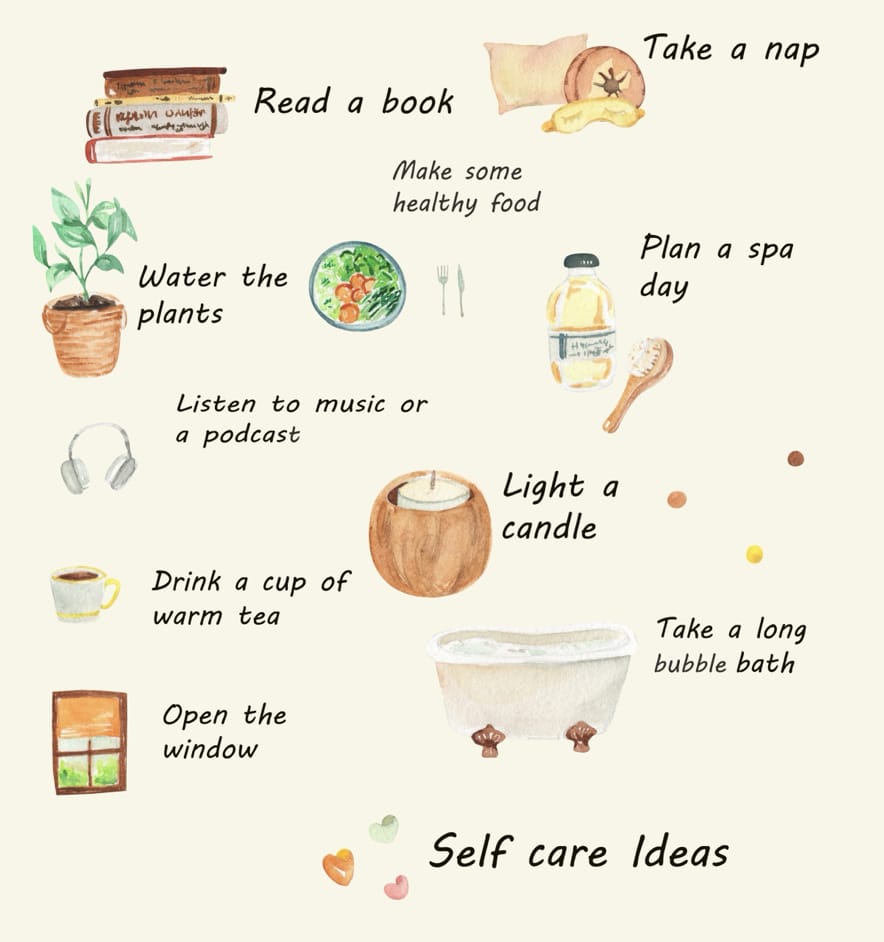
Caring for Yourself Through Hard Times

Healing is never linear. Some days you’ll feel grounded and capable, and others may bring grief, fatigue, or doubt. In those moments, choose gentleness. Resilience doesn’t mean never struggling—it means meeting the struggle with grace.

Know when to reach out for connection and when to retreat for rest. Balance solitude and community. It’s okay to protect your time and energy as you move through difficult seasons. You are the creator of your peace.

Recognizing Early Warning Signs

Your body whispers before it screams. Pay attention to subtle cues of imbalance—irritability, fatigue, brain fog, digestive upset, or tension in the jaw and shoulders. These early signals tell you it’s time to pause and replenish before you reach burnout.

Keep a few go-to responses ready: a grounding breath, a soothing tea, or a few quiet minutes outdoors. The sooner you respond, the easier it is to restore balance.

Creating a Daily Rhythm

A consistent rhythm brings the nervous system into harmony. It doesn’t have to be rigid—just reliable.

Here are a few simple ways to weave calm into your day:

  • Morning Ritual: Begin with 10 minutes of peace—stretch, pray, journal, or sip herbal tea before diving into screens or tasks.
  • Mindful Breaks: Step away from work regularly. Stretch, breathe, or gaze out a window to reset your mind.
  • Structured Work Blocks: Give yourself defined time for focus, then rest before switching tasks.
  • Evening Wind-Down: Dim lights, play calming music, or diffuse lavender to signal your body that it’s time for rest.
  • Regular Meals: Eating at predictable times supports stable blood sugar and energy, reducing anxiety and mood swings.

Your rhythm becomes the heartbeat of your well-being—steady, grounding, and sustainable.

Guarding the Mind

What you allow into your awareness shapes your reality. The media you consume, the conversations you engage in, even the food you eat—all influence your mental and emotional state.

Ask yourself:

  • Are the people I spend time with uplifting?
  • Do the shows, music, or social feeds I engage with bring peace or agitation?
  • Does my diet support clarity or sluggishness?
 
Guarding your mind is not avoidance—it’s stewardship. You are the gatekeeper of your inner world.

Rest, Joy, and Connection

Rest is not a reward—it’s a necessity. Build pauses into your day: step away from noise, breathe deeply, and simply be. When you feel drained, give yourself permission to decline invitations or delay obligations.

Joy is equally essential. Make it a habit to seek out delight. Listen to music that moves you, laugh with friends, or spend time in nature. These moments strengthen emotional resilience and remind the body what peace feels like.

Connection, too, is medicine. Surround yourself with people who see and support you as you are. A real friend doesn’t require you to shrink or perform—they celebrate your authenticity. Remember: it’s okay to release relationships that consistently drain or disrespect your boundaries.

Strategic Disengagement

Not every conflict deserves your energy. Choose your engagements wisely. Protecting your peace may mean walking away from gossip, debates, or negative energy. When confronted, respond calmly, or not at all. You’re not responsible for managing others’ emotions.

This isn’t avoidance—it’s conscious protection of your emotional and physical well-being. Your energy is sacred; spend it wisely.

Integrating Herbs into Daily Life

Herbs work best when used consistently and with intention. Create a simple rhythm for herbal support:

  • Morning Boost: Start your day with an adaptogen like Rhodiola or Ashwagandha to stabilize energy.
  • Midday Support: Sip Tulsi or Lemon Balm tea to steady the nervous system.
  • Evening Calm: Unwind with Chamomile, Lavender, or Passionflower to ease tension and support rest.

Keep your herbal remedies visible and accessible. The easier they are to reach, the more likely you are to use them. Herbal teas, vinegars, infused oils, and aromatic sprays can all weave effortlessly into your daily rhythm.

Navigating Life’s Transitions

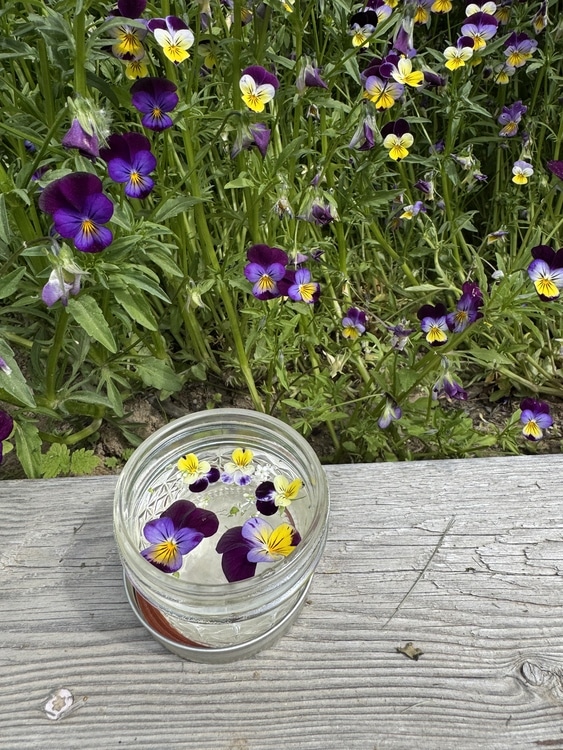
During times of grief, illness, or uncertainty, your needs change. Increase nervous system and immune support with herbs like Rose, Viola, Hawthorn, or Reishi. Pair these with rest, journaling, or gentle baths enhanced with Mugwort and Lavender to help the body release tension.

Transitions are part of life’s rhythm—respond to them with tenderness and adaptability.

Lifestyle Strategies for Ongoing Balance

Movement: Gentle, regular activity like walking, yoga, or stretching keeps energy flowing and emotions balanced.

Breathwork: Practice slow, measured breathing or alternate nostril breathing to calm the mind and regulate the nervous system.

Meditation: Use it to deepen self-awareness and rewire your response to stress.

Real Food: Prioritize whole, unprocessed foods and fermented staples to nourish the gut-brain connection.

Mindful Tech Use: Set boundaries around screens. Counterbalance device time with time outdoors.

Music and Gratitude: Curate your “music diet” and end each day by listing three things you’re grateful for. Gratitude literally rewires the brain toward joy.

Embracing Flexibility and Self-Kindness

Healing isn’t about perfection—it’s about presence. You’ll have days when everything flows and others when nothing goes as planned. That’s normal. The key is to approach both with compassion. As the 12-step saying goes, “Practice, not perfection.”

Be kind to yourself when you stumble. Rest when you need it. Trust that even slow progress is progress.

Turning Knowledge Into Transformation

You now hold a complete toolkit for emotional well-being—herbs, lifestyle strategies, and mindset practices that anchor you in calm. Integration happens through repetition and intention.

As you release what no longer serves and embrace what supports your health, you become a rooted, steady presence—someone who can meet life’s challenges without losing peace.

You are your own best healer, and you are fully equipped to create a life of resilience, joy, and calm.

I believe in you.

Thank you for joining me on this four-part journey, A Quest for Calm and Emotional Well-Being.
May these tools continue to serve you as you nurture your body, mind, and spirit each day.

Check out our upcoming workshops, herbal apprenticeships, recorded webinars, and the Herbal Materia Medica Monthly subscription.

Let’s keep getting the medicine to the people in ways they’ll delight in taking so that healing can occur!

Suzanne "Queen Bee" Tabert 🐝

Suzanne Tabert, bioregional herbalist, speaker, and author, is director of herbal education and herbal mentor at the Cedar Mountain Herb School. An herbal medicine instructor for 35+ years, Suzanne teaches with great passion and excitement, bringing her wealth of herbal knowledge to students in an engaging and vibrant manner. She is the primary instructor at CMHS and an adjunct faculty at Bastyr University. Taking students to wild places and giving them tools to engage and connect with flora, fauna, and the exquisite beauty of nature is the icing on the cake of life, and one way that Suzanne is making a difference in the world, one person, one group at a time. Cedar Mountain Herb School is a member of the American Herbalists Guild, Partnership in Education with United Plant Savers, and the American Herb Association.

Leave a Reply

Your email address will not be published. Required fields are marked *

You may also like

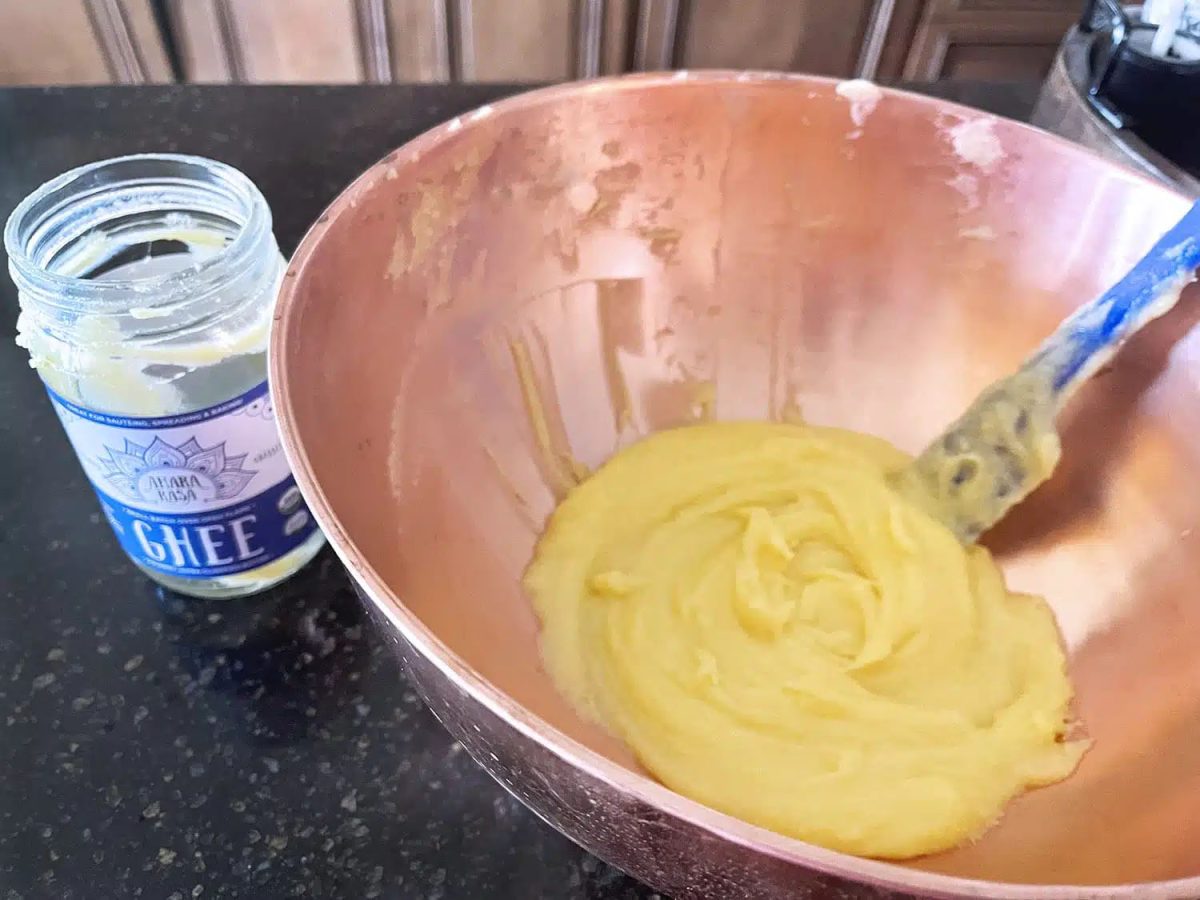
Shata Dhauta Ghrita (100x Washed Ghee)

Move over tallow, there's a new (skincare) oil in town! Actually, it's not new at all...

Meet one of Ayurveda’s oldest ...

Smoke Is in the Air!

As the hot days of summer continue, fires are burning across many parts of the country. Here in North Idaho, ...

Making Homemade Ghee

Those who are dairy free like me (😢😭) may be able to tolerate ghee as it is pure fat with ...

Showing Slide 1 of 4

Tincture Dilution Calculator

Calculate the volumes of any two alcohol proofs to create a tincture of a particular strength.

Copyright © 2026 Redheaded Herbalist

Update your Avatar

Stay in the loop!

Join the Cedar Mountain Herb School newsletter