Our family of origin teaches us much—both helpful and harmful. As adults, we have the opportunity to reassess those teachings and decide what still serves us. If inherited beliefs or behaviors hinder your peace, it’s time to rewrite them.
When you begin to take care of yourself instead of catering to others, some may react with anger or guilt. Remember: that’s their discomfort, not yours to fix. Healthy boundaries are acts of love, both for yourself and others. Clearly define what you will and won’t accept, and when lines are crossed, follow through with consistent consequences. Boundaries aren’t walls; they’re bridges that lead to healthier, more honest relationships.
 You’re not responsible for managing other people’s emotional drama. When someone repeatedly tries to pull you into their turmoil, compassionately step back. You might say, “I care deeply about what you’re going through, but I’m feeling overwhelmed and need to take a step back for my own well-being.” This gentle honesty keeps your energy intact while honoring your truth.
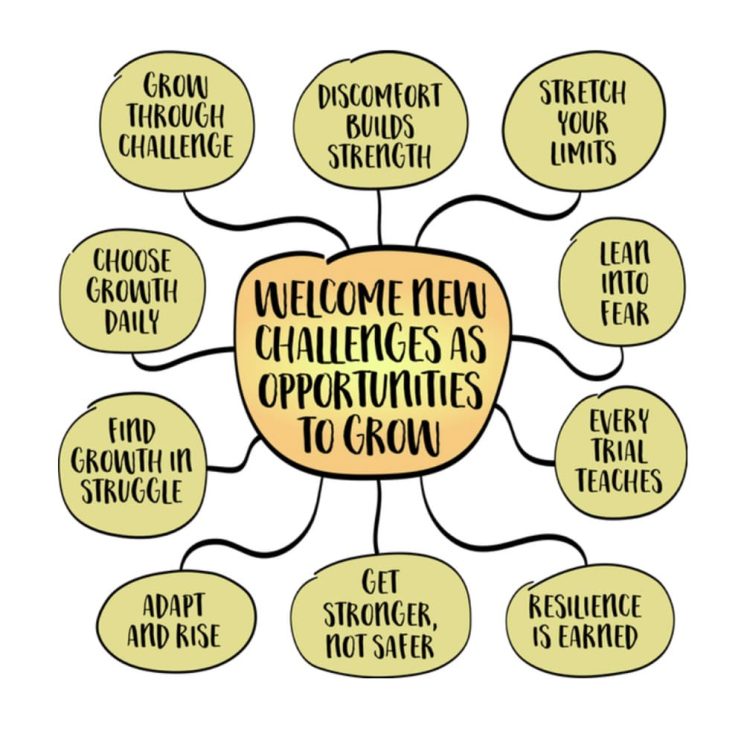 In today’s culture, there’s a tendency to turn labels into identities. While diagnostic terms can be useful, they’re not the sum of who we are. Growth means acknowledging challenges without letting them define us. Not every hardship is trauma, and not every unpleasant person is toxic. Life can be hard, and discomfort is part of learning resilience.
True empowerment comes from engaging with life fully, rather than avoiding discomfort. Growth requires friction, and safety comes from trusting that you can handle yourself in any situation.
In today’s culture, there’s a tendency to turn labels into identities. While diagnostic terms can be useful, they’re not the sum of who we are. Growth means acknowledging challenges without letting them define us. Not every hardship is trauma, and not every unpleasant person is toxic. Life can be hard, and discomfort is part of learning resilience.
True empowerment comes from engaging with life fully, rather than avoiding discomfort. Growth requires friction, and safety comes from trusting that you can handle yourself in any situation.  The Body Remembers: Releasing Stored Tension
 The Body Remembers: Releasing Stored Tension
Emotional trauma isn’t only mental—it’s physical. When the fight, flight, or freeze response gets stuck, the body carries the weight through tension, fatigue, and hypervigilance. Practices like Somatic Experiencing, Trauma-Sensitive Yoga, Qigong, or dance therapy help discharge that trapped energy.
Movement, breathwork, and mindful awareness complete the body’s natural stress cycle, allowing it to return to safety. Even a walk in the woods—forest bathing—can calm the nervous system. In nature, there’s no judgment or regret; everything simply is.
Breath, Rest & Reconnection
Breath is life force—prana. Slow, steady breathing slows the heart and quiets the mind. Practice conscious breathing during calm moments so it becomes second nature in stressful ones. Meditation deepens this habit, revealing the peace that already exists within you.
Rest is equally essential. Sleep is the body’s time to repair and reset. Create a bedtime ritual that soothes—turn off screens, dim the lights, and use calming scents like lavender or frankincense. Magnesium glycinate, chamomile tea, or gentle stretches can all help the body transition into rest.
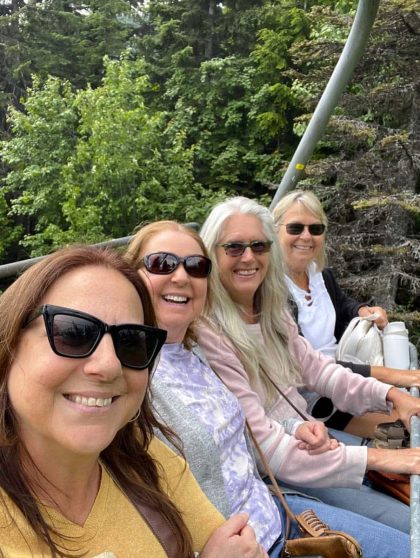 Loneliness is one of the greatest modern stressors. Nurturing genuine relationships helps us heal faster and live longer. Make time for connection and service—both strengthen the spirit. Whether volunteering, mentoring, or simply listening, giving to others reminds us that we’re part of something greater.
If you haven’t found your purpose yet, explore what brings you joy and meaning. A sense of purpose supports emotional stability and resilience.
As Mother Teresa said, “I alone cannot change the world, but I can cast a stone across the waters to create many ripples.”